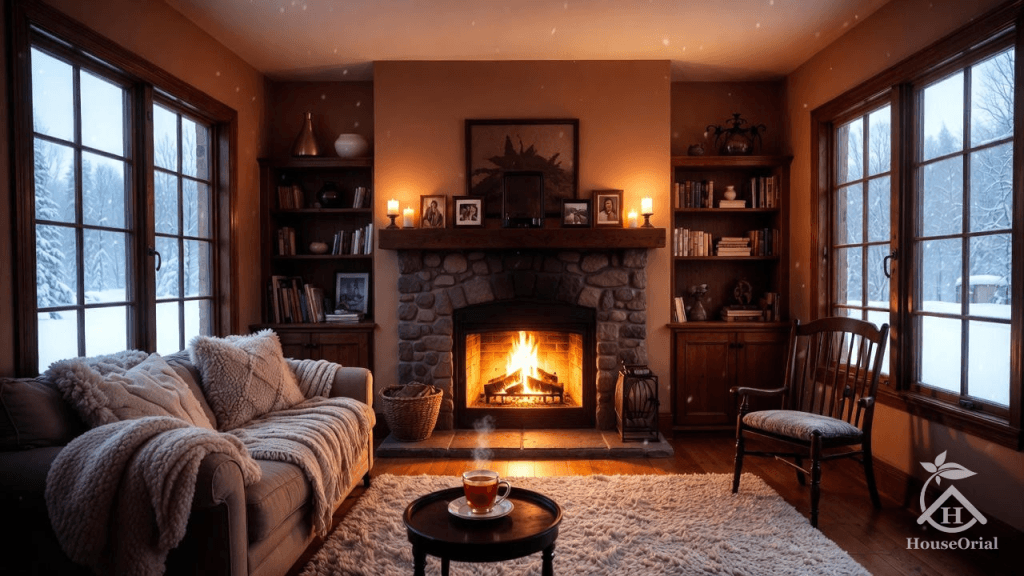

Winter isn’t coming; it’s already here. I know how hard this cold can be because I’ve lived in a rented house in a place like Minnesota.
You know, the first time my house pipe burst was on Christmas Eve. The memory of that slushy, freezing night still haunts me. From that horrific experience, I learned: Winter preparation isn’t just for comfort; it’s a vital investment for your home and your pocketbook.
In my years of experience, up to 40% of the heat in most homes is lost through drafts and leaks. You might be running your furnace, and that warm air is just going out and mixing with the cold outside air.
Believe me, I’m telling you from my experience that installing an expensive thermostat or buying a new heater isn’t the real solution. The key lies in making small preparations.
In this article, I’ll give you some expert-level tips for staying safe and saving money on your energy bills during the winter. These home tips will help you avoid big problems like burst pipes and worries about bills.
Table of Contents
Top 15 Home Tips for Winter: Keep Your House Warm, Efficient, and Protected
1. Reverse Your Ceiling Fans (Yes, Really)
Many people know this cold-weather hack but often forget to use it. At the end of summer, we flip the switch and rarely think to reverse it in winter. During the colder months, ceiling fans should run clockwise on low speed. This simple trick pushes warm air that collects near the ceiling back down into the room. The first winter I tried it, I immediately noticed my living room felt 4–6°F (2–3°C) warmer. It takes only 10 seconds, and it can significantly reduce your heating bill.
2. Draft Detection: Don’t Guess, Find the Leaks
It’s great to use foam and plastic window kits for basic cold protection, but the major energy leaks often slip under the radar. Even if you weatherstrip the entire house, you’ll continue to lose heat unless you target these three main culprits.
The Three Main Draft Leak Points:
- The Door Gap (The Cold Gateway): This is the primary source of cold air infiltrating under your exterior doors.
- Solution: Purchase a proper door sweep or a dedicated draft stopper. For an emergency fix at night, simply slide a thick rolled towel underneath the door.
- Outlets and Switch Plates (The Wall Breakers): Every electrical outlet and switch plate on an exterior wall is a significant weakness in your home’s insulation.
- Use foam gaskets that cost $0.70 behind the cover plates. They are cheap, take one minute to install, and stop major heat leaks.
- Recessed/Can Lights (The Ceiling Chimneys): Especially in older homes on the upper floors, these recessed lights act essentially as open chimneys, pulling warm air straight up into the attic.
- Solution: Install airtight covers (like isolating can light covers) over these fixtures on the attic side to stop the heat escape.
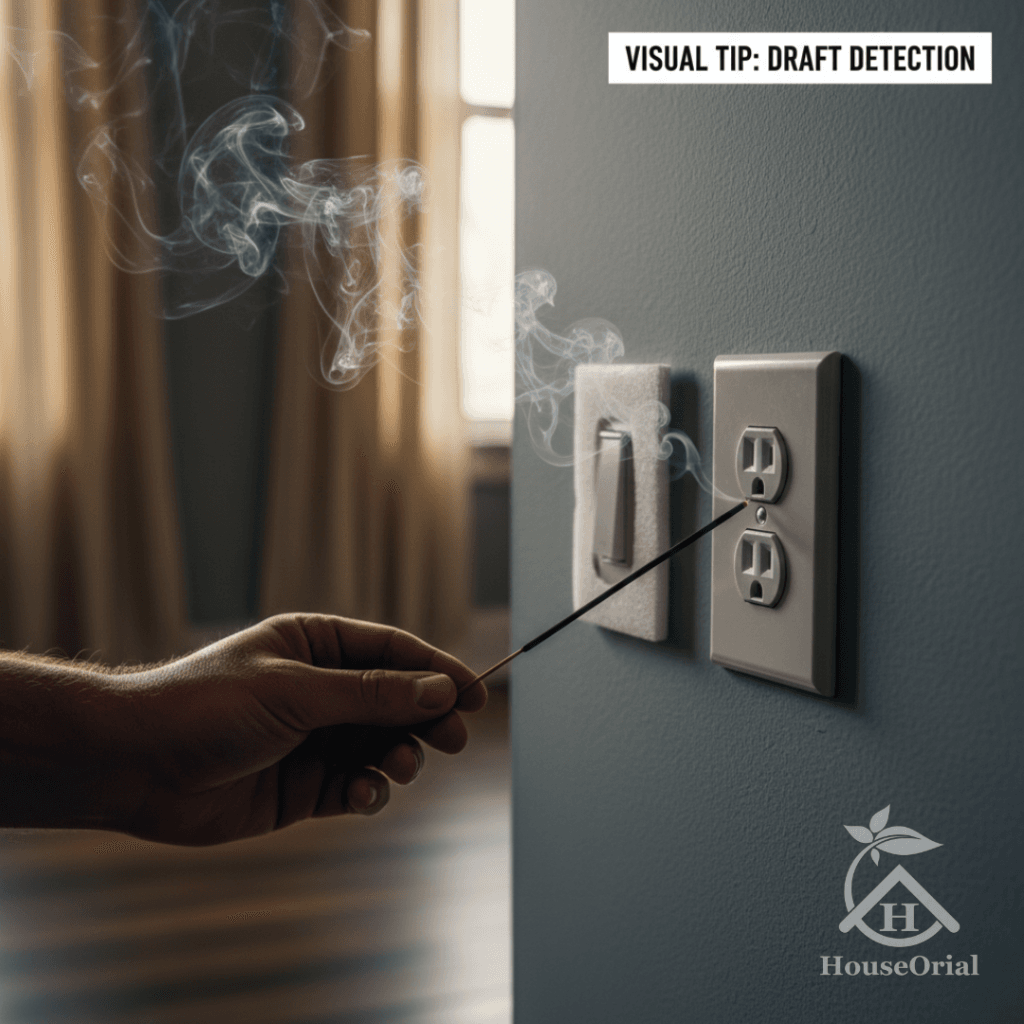
➤ Professional Draft Detection Step (The Incense Test): Use a lighter candle or incense stick on a windy day. Keep it close to any gaps or corners that look suspicious. If the smoke bends to the side right away or is pulled straight in, congratulations—you’ve found a heat leak! This method helps find even the tiniest and most hidden leaks.
3. Let the Faucets Drip—But Only the Most Vulnerable Ones
Frozen pipes are the worst thing that can happen in the winter, and I’ve definitely had that happen to me on Christmas Eve! Pipes located in unheated areas like garages or crawl spaces, or those running along north-facing exterior walls, are usually the most vulnerable. Preventing this disaster should be a top priority on your winter home maintenance tips list.
When and How to Apply This Fix?
- When to Act: When the outside temperature drops below 20°F (-6°C), or if you are leaving the house for an extended period during a cold snap.
- The Emergency Measure: Instead of wasting water by letting every single faucet run, only let extremely vulnerable faucets (those on exterior walls) slowly drip cold water.
- My Advice: The stream should be very thin, like a thread. This works because moving water resists freezing better than still water, and it prevents pressure buildup inside the pipe.
- Internal Warmth: At night, open the cabinet doors under the sinks on exterior walls. This allows the warmer interior air to circulate around the pipes inside the cabinet, protecting them from freezing. This simple trick works in 90% of cases and conserves water.
➤ A Personal Warning: Before resorting to dripping water, ensure you have taken all steps to insulate the vulnerable pipes. The dripping method is a temporary emergency fix, not a permanent solution.
4. Clear the Gutters After the Last Leaf Drops
After a 6-foot section of my house’s gutter broke, I learned the hard way how important it is to keep your gutters clean. It’s not just about cleaning out the dirt; it’s about protecting your roof and walls.
Why This Is Essential:
• When leaves accumulate in your gutters, melting snow or rain can’t drain properly. This trapped water refreezes overnight, creating an ice dam on your roof. This dam forces water backward, pushing it under your shingles and causing leaks inside your home.
• My Personal Warning: Ice dams are silent killers. Clear your gutters late in the fall → Water flows freely → No ice dam forms → Your roof stays happy.
➤ What to Do If Ice Forms:
If you already have ice buildup in your gutters, do not use common rock salt, as it can damage the roofing materials. Instead, use a roof rake or apply calcium chloride (often placed in old pantyhose) to melt drainage channels through the ice.
5. Change Your Furnace Filter Before the Heat Demand Hits
If your furnace isn’t running efficiently, it doesn’t just raise your bills—it can actually damage the unit. A dirty or clogged filter forces your furnace to work twice as hard, shortening the unit’s lifespan and increasing energy consumption.
Why This Is Critical:
• Changing the filter is the single cheapest and most important piece of maintenance for your heating system. It doesn’t just clean the air; it ensures your furnace heats your home efficiently with minimal effort.
➤ My Expert Tip (The Sharpie Note Method): I keep a Sharpie note on the basement joist with the date of the last change. It’s a great visual cue for remembering when the next change is due.
When to Change It:
• You should change your filter at these two key times:
- October: When the heating season officially begins.
- January/February: When the furnace is running most heavily during the peak of winter.
The filter may only cost around $10, but this simple act will save you hundreds of dollars over the years in maintenance and excessive heating bills.
6. Seal Duct Leaks With Mastic, Not Duct Tape
This is one of the most important home tips for winter that separates the average homeowner from the expert. Most people use duct tape (the name suggests it’s for ducts!), but that’s a big mistake. Duct tape fails in about 18 months because the glue dries out in the heat.
The Real Solution: Mastic
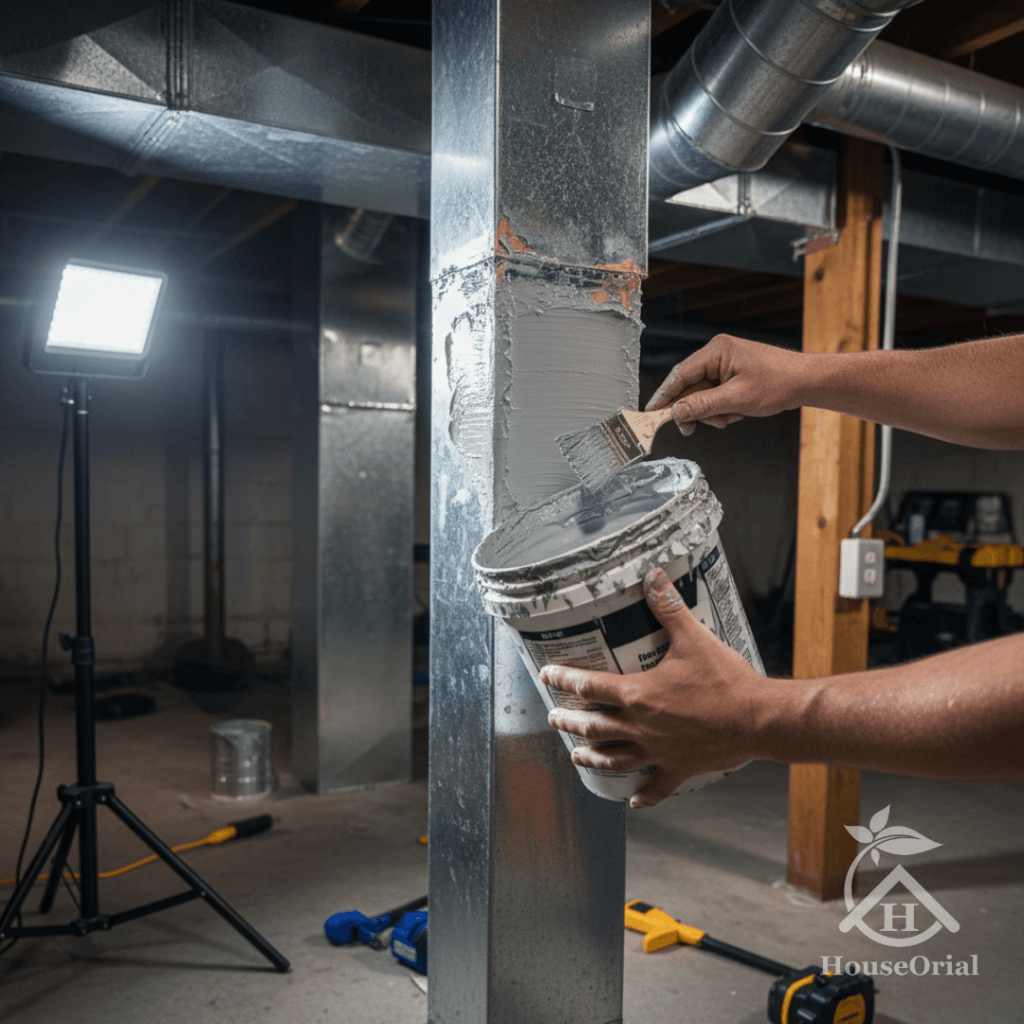
• The real professional solution is real duct mastic—that thick, gray, paste-like stuff. It doesn’t just stick like mastic tape; it dries hard and creates an airtight, permanent seal that lasts for decades.
How to Do It:
• Take a flashlight into the basement or attic. Apply mastic to every joint and crack you can find.
➤ My personal experience: The winter I did this, my heating bill went down by about 20%! It’s a huge savings opportunity for little effort.
7. Use Rugs Strategically
Bare hardwood floors can feel like solid ice in the winter. This simple trick is one of the easiest and most brilliant home tips for winter to implement, instantly making your room feel warmer.
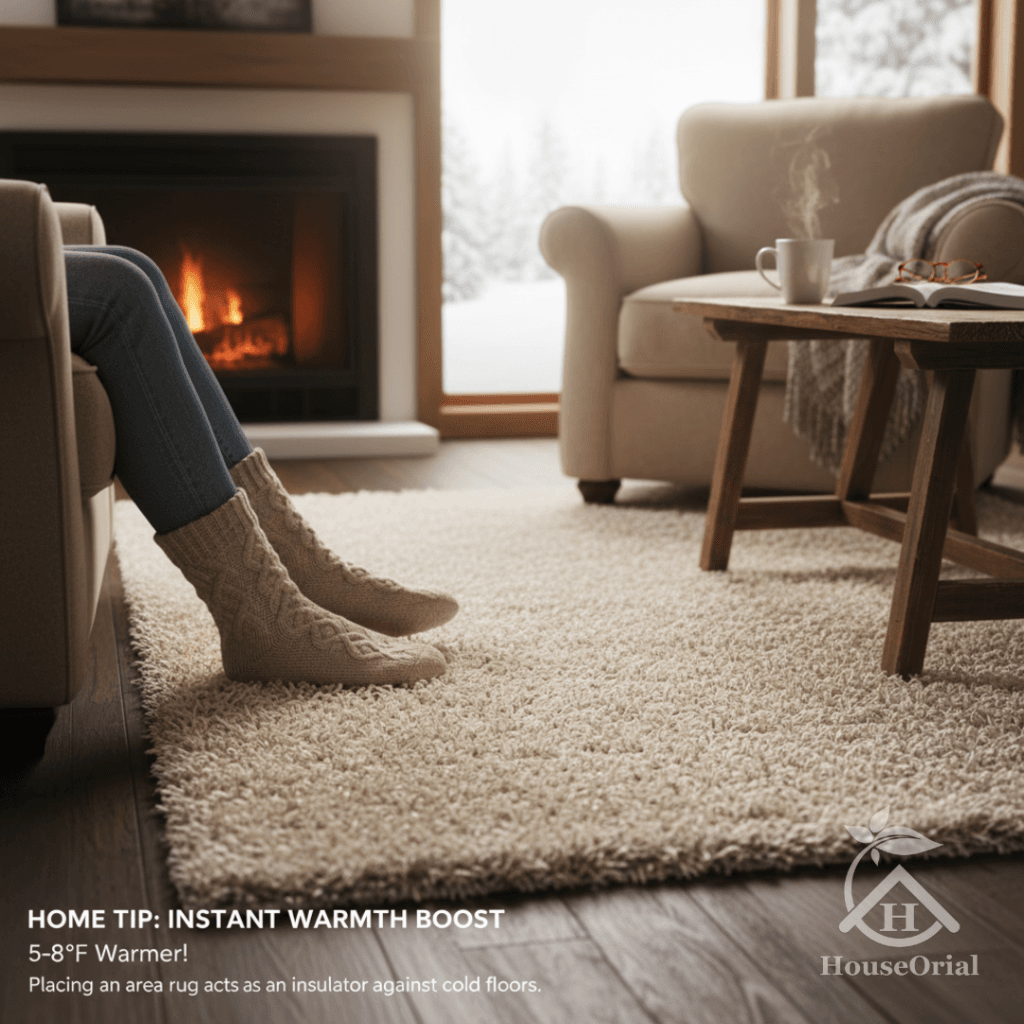
Placing an area rug on the floor acts as an insulator, reducing heat loss downward through the floorboards.
➤ Quick Warmth Boost: A rug instantly adds extra warmth where you need it most. It can easily make your home feel 5–8°F (3–4.5°C) warmer. Even if it’s a regular rug that you bought on clearance for $79, it can still make a big difference in comfort. And the best part? Your feet will stay warm, avoiding the shock of stepping on a cold floor in the morning!
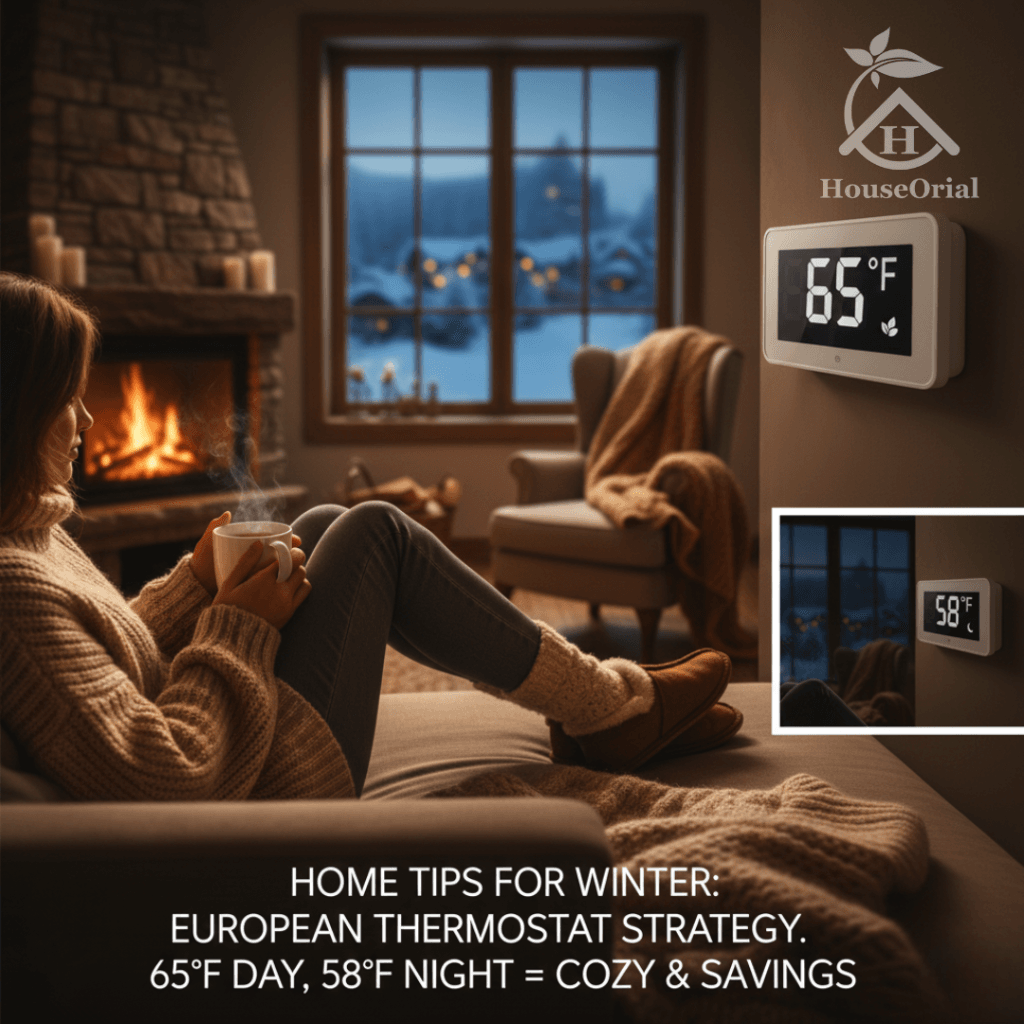
7. Set Your Thermostat Like a European: Cozy Up at 65 °F
The biggest waste of money during winter happens when we are asleep or away from home, yet the thermostat is set too high. This energy-saving winter tip teaches you how to maintain comfort while saving energy, which I refer to as the ‘European Strategy.’ It’s an indispensable part of your home tips for winter preparation.
The Smart Temperature Rule:
- When you are home and awake: Keep it at 65°F (18°C).
- When you are asleep or away: Drop it to 58°F (14°C).
The Savings Calculation: The main reason to follow this strategy is that lowering the temperature by just one degree and maintaining it for eight hours saves roughly 1% on your heating bill. This may seem small, but the cumulative effect by month’s end is massive.
➤ My Personal Experience: When I dropped my setting from 72°F to 64°F, I was initially nervous. But after I started wearing cozy slippers and a comfortable sweater around the house, I barely noticed the temperature difference! Lower temperatures not only save money but can also help you sleep better at night.
”If you often forget to adjust your temperature, definitely use a programmable or smart thermostat—because forgetting equals losing money!”
8. Boost Humidity (But Don’t Overdo It)
You know that dry, biting feeling winter air has? That dry winter air can make a comfortable 65°F feel like a chilling 58°F. This is because humid air retains heat better. Increasing your indoor humidity is one of the smartest, yet often overlooked, cold-weather home hacks.
The Humidity Target:
- The Tool: Get an inexpensive hygrometer (you can find one on Amazon for about $12) to measure your indoor humidity levels accurately.
- The Goal: Aim for a sweet spot between 35 % and 45%. If it gets too high, you risk condensation on windows and potential mold issues.
➤ My Personal Strategy: I only run a small humidifier in the bedroom at night. Not only does this keep my sinuses happy and my skin feeling better, but the increased moisture allows me to comfortably turn the thermostat down another degree or two. It’s a win-win for health and heating bills!
I only run a small humidifier in the bedroom at night. Not only does this keep my sinuses happy and my skin feeling better, but the increased moisture allows me to comfortably turn the thermostat down another degree or two. It’s a win-win for health and heating bills!
9. Winter Kitchen Prep: Avoid Frozen Surprises
We usually worry about pipes in the basement or garage, but kitchen pipes are also at extreme risk. In many homes, the pipes under the sink run directly along an exterior wall where temperatures can drop quickly. These simple winter home maintenance tips will protect you from the major catastrophe of a burst pipe.
The Protection Strategy (Triple-Layered Protection):
- Warmth Circulation (The Cabinet Door Trick): At night, open the cabinet doors underneath the sink. This simple action allows the warm air from the room to circulate around the pipes, preventing them from freezing.
- Moving Water (The Bedtime Flush): Run warm water for a minute or two before going to bed. This flushes out any stagnant water inside the pipe and helps maintain temperature balance.
- Add Insulation (Pipe ‘Coats’): If any part of your kitchen plumbing is exposed or easily accessible, insulate it with foam sleeves. Think of it as giving your pipes a little coat for the winter.
➤ My Observation: Doing these three steps together brings the risk in the kitchen down to near zero. A burst pipe isn’t just costly damage; it completely derails your life during the coldest part of the year.
10. Check Safety Alarms: Your Essential Winter Safety Net
Winter brings an increased risk of indoor air quality issues and fires. Closed doors, running furnaces, fireplaces, space heaters, and sometimes power outages all raise the risk of accidents. This is one of the most non-negotiable winter safety at-home tips.
Your Critical Safety Checklist:
- Smoke Alarms: Test them monthly. Ensure you have working alarms on every level of the house and inside all sleeping areas.
- Carbon Monoxide (CO) Detectors: Carbon monoxide is an odorless, colorless gas produced by fuel-burning appliances (furnaces, water heaters). Test them at least once a month and ensure they are strategically located near all bedrooms.
- Fire Extinguishers: Check the pressure gauge (it should be in the green zone) and the expiry date. Ensure the extinguisher is easily accessible in the kitchen and garage.
➤ A Real-Life Warning: One bitter winter night, a friend’s gas heater malfunctioned around 2 AM, silently releasing CO. Their detector immediately went off, saving the entire family. Preparation saves lives. Never ignore these simple checks!
11. Keep the Garage Door Closed
If you have an attached garage, it is essentially a giant thermal hole for your house. Every time you open the garage door, you immediately suck cold air directly toward your living space.
Why This Matters So Much:
Garages are typically poorly insulated, if at all. When the garage door is left open, that frigid air rushes in and infiltrates your home through the seals and gaps around the insulated door connecting the garage to the house. This forces your furnace to run unusually frequently. This is a crucial energy-saving winter tips.
➤ My Personal Observation: On the very worst days, I started parking outside. Yes, it was annoying, but I immediately noticed my furnace was running half as often. Accepting that slight inconvenience results in huge monthly savings on your bill.
• The Simple Solution: Only use the garage door for moving the car in or out. Keep it closed at all other times unless you are actively working inside. This habit is essential for your home tips for winter preparation.
Only use the garage door for moving the car in or out. Keep it closed at all other times unless you are actively working inside. This habit is essential for your home tips for winter preparation.
12. Test Smoke & CO Detectors When the Clock Changes
Does the end of daylight saving time ring a bell? It should remind you to do one critical safety check. The seasonal time change is the perfect, easy-to-remember trigger for testing your safety alarms. This is a non-negotiable winter safety at-home measure.
The Replacement Rule:
- Test: Press the test button on your smoke alarms and CO detectors immediately.
- Replace: Replace any detector that is over 10 years old. Detectors don’t last forever; their sensors degrade over time, and they often fail silently, offering no warning when you need it most.
➤ My Advice: Make this a firm autumn tradition. A working detector is the most crucial layer of protection against the increased risks of carbon monoxide poisoning and house fires that accompany closed-up, heated winter homes.
13. Protect Your Plants From Frost: Essential Indoor Gardening Tips
If you love your plants, winter brings a unique challenge. Frost is a silent, overnight killer—especially for balcony herbs and indoor greenery. These crucial home tips for winter will keep your green friends thriving.
Winter Plant Care Strategy:
- Move for Light: Relocate your plants near east-facing windows. This position provides gentle morning light, offering necessary warmth without the harsh temperature swings of the afternoon.
- Avoid Night Watering: Stop watering plants in the evening. Watering at night significantly lowers the soil temperature, making the roots vulnerable to cold damage.
- Boost Humidity (The Pebble Tray): Indoor heating dries the air out. Use pebble trays (trays filled with pebbles and water) underneath your pots. As the water evaporates, it naturally maintains humidity around the plant.
➤ Quick Check: Don’t forget any potted plants left on your balcony or patio! Bring them inside or move them close to the house foundation. This small effort now saves you from replacing costly plants later.
14. Warm Your Bed Before You Sleep
Why crawl into icy sheets when you don’t have to? Pre-warming your bed isn’t just about comfort—it helps you get cozy instantly and prevents those last-minute thermostat hikes before sleep. Honestly, this is one of my favorite cold-weather tricks.
My Cozy Bed Ritual
• The Classic Hot Water Bottle: Place a hot water bottle (or a heating pad) at the foot of your bed about 10 minutes before you climb in. It creates a snug pocket of warmth exactly where your feet need it most.
• The Fleece Layer Trick: Switch up your bedding for better heat retention. Add a fleece blanket under your comforter but over your top sheet. Fleece traps and reflects body heat so well that your bed instantly feels like an energy-efficient cocoon.
• Pure Comfort: Nothing beats sliding into already-warm sheets on a freezing night. It’s a tiny luxury that makes it much easier to keep your home’s overnight temperature at a budget-friendly 58°F without feeling cold.
15. Stock an Emergency Kit Before the Storm Hits
Winter storms can bring power outages, ice, and road closures, potentially trapping you indoors for days. Preparing an emergency kit isn’t paranoia; it’s smart, responsible winter safety at home. You need supplies ready to go, especially if your furnace relies on electricity.
My Grab-and-Go Kit Essentials:
I keep all my supplies organized in a clear, labeled plastic bin located near an exit door for easy access:
- Lighting & Communication: Flashlights, plenty of extra batteries, and a battery-powered radio for local alerts.
- Sustenance (Minimum 3 Days): Bottled water and non-perishable snacks (granola bars, dried fruit, canned goods).
- Warmth & Power: Extra blankets and a portable phone charger (fully charged!).
- Health: Basic medications and a well-stocked first-aid kit.
➤ Proactive Tip: Check the contents of this kit every autumn when you check your CO detectors. Being prepared for a 72-hour power outage is the difference between an inconvenience and a crisis.
Common Winter Mistakes That Undermine All Your Home Tips for Winter
Avoid these if you want a warm and safe season:
- Ignoring tiny drafts (they steal heat fast)
- Using wet mops at night (invites cold and odors)
- Over-humidifying rooms (leads to mold)
- Leaving furniture against heaters
- Forgetting to reverse the ceiling fan
- Not checking emergency lights and alarms
Quick Winter Home Preparation Checklist
Heating & Safety
- Clean heater filters
- Test smoke + CO detectors
- Reverse ceiling fan direction
Heat Protection
- Seal window/door drafts
- Put rugs on cold floors
- Install thermal curtains
Maintenance
- Clean gutters
- Insulate exposed pipes
- Check water pressure
Comfort & Routine
- Build a winter essentials basket
- Set warm lighting timers
- Prepare bedroom layers
Print this and stick it inside a cabinet—you’ll thank yourself later.
Budget-Friendly Home Tips for Winter
Not everyone wants to spend a fortune during winter. Honestly, in my experience, a few smart decisions are often much more effective than expensive gadgets. I frequently rely on these affordable Winter Home Maintenance Tips because they truly protect your wallet.
- Using Rolled Towels: The gaps under exterior doors are major sources of cold air. I almost always slide a thick rolled towel or piece of cloth into that gap. It acts as a temporary but highly effective draft stopper. Cost: Practically zero.
- Aluminum Foil Behind Radiators: If I have a radiator on an exterior wall, I make sure to place aluminum foil behind it (shiny side facing the room). The foil reflects the heat back into the room instead of letting the wall absorb it—it’s simple yet powerful!
- Relying on Fleece Blankets: Instead of investing in expensive quilts, I trust fleece blankets. Fleece retains incredible warmth at a very low cost, beautifully trapping your body heat.
- Heating Only Used Rooms: I always follow a simple rule: I close the doors and turn off the vents or radiators in rooms I am not actively using. This reduces the square footage I need to heat, lowering the burden on my furnace and saving money.
- DIY Rice Heating Pads: I make my own personal heating pads by filling old socks or cloth bags with rice and warming them in the microwave. They are cheap, safe, and reusable.
➤ My Personal Takeaway: These tips prove that you don’t need to be wealthy to stay comfortable in winter. With a little strategy, you can stay warm, and your Home Tips for Winter preparations will be a success.
FAQ: Real Winter Home Questions I Get Asked All the Time
1. (Q): Is it actually bad to let my house go below 55 °F when I’m away for a week?
A: For most modern homes, 55 °F is safe and saves serious money. Older homes with poor insulation or in-ground pipes might need 60 °F. When in doubt, 58 °F is the sweet spot.
2. (Q): My windows sweat like crazy in winter. What’s wrong?
A: Too much indoor humidity meeting cold glass. Run a dehumidifier, crack a window occasionally, or add storm windows. It’s not just ugly—left alone, it leads to mold.
3. (Q): Are smart thermostats worth it if I already have a programmable one?
A: Yes, if you travel or have an irregular schedule. Learning models like Nest or Ecobee can cut another 10–15 % off bills.
4.(Q): Do small heaters increase electricity bills a lot?
A: Only if used continuously. Use them in targeted zones to save energy.
5. (Q): How do I know if my attic insulation is enough without ripping open the ceiling?
A: Pop your head up there with a ruler. If you can see the tops of the joists, you need more. Most homes built before 2000 are under-insulated.
6. (Q):Can I use my gas fireplace if the power goes out?
A: Only if it has a standing pilot light (most newer ones don’t). Otherwise, the fan and electronics need electricity.
7. (Q): My heating bill doubled this year—what’s the first thing I should check?
A: Furnace filter, then thermostat calibration, then call for a tune-up. 90 % of mysterious spikes are one of those three.
8. (Q): Is it safe to leave holiday lights on a live tree all night?
A: Use LED lights only and turn them off when you sleep or leave the house. Real trees dry out fast.
9. (Q): Any trick to stop my front door from freezing shut?
A: Spray the weather-stripping and metal parts lightly with silicone lubricant (not WD-40) before the first deep freeze.
A Warm Farewell: Concluding Your Best Home Tips for Winter
This comprehensive guide has proven that staying warm, safe, and highly efficient during winter isn’t a monumental task. It’s not about buying expensive equipment; it’s about applying these expert-level Home Tips for Winter and making small, strategic choices.
A few weekends of prep in November can save you thousands of dollars and countless headaches by February. Take it one task at a time, sip something warm, and remember: spring always comes. Stay warm out there, friends. You’ve got this.
➤ Your home is now protected from the cold. With your house warm and cozy, you can easily embrace the holiday spirit. To find some great tips for Christmas decor and getting your home ready for the festive season, check out our Christmas Tree Ornaments Craft article.