
Indoor gardening is a popular hobby for many people. The sight of vibrant greenery in homes and offices not only enhances aesthetic appeal but also purifies the air and promotes a sense of well-being. One critical aspect of indoor gardening that often gets overlooked is the soil cover. Understanding the right soil cover for indoor plants is essential for their health and growth.
This comprehensive guide explores various types of soil covers, their benefits, and how to choose the best one for your indoor plants.
Why Soil Cover is Important
Soil cover, or mulch, is a protective layer placed over the soil surface. In outdoor gardening, mulch is widely used to retain moisture, suppress weeds, and improve soil health. Similarly, in indoor gardening, soil cover plays a crucial role in maintaining plant health. Here are some key reasons why soil cover is important for indoor plants:
Moisture Retention
Indoor plants, unlike their outdoor counterparts, do not have access to natural rainfall. Therefore, maintaining consistent soil moisture is critical. Soil cover helps reduce water evaporation, keeping the soil moist for a longer period. This is particularly beneficial for plants that require a consistently damp environment.
Temperature Regulation
Soil cover acts as an insulating layer, protecting plant roots from extreme temperature fluctuations. In indoor environments, where temperature control can vary, maintaining a stable root temperature is essential for plant health.
Preventing Soil Erosion
When watering indoor plants, the force of the water can displace soil particles, leading to soil erosion. Soil cover helps prevent this by holding the soil in place, ensuring that the roots remain well-anchored and the soil structure remains intact.
Reducing Soil Compaction
Soil compaction can impede root growth and water infiltration. A layer of soil cover reduces the compaction caused by frequent watering and foot traffic, allowing roots to grow more freely and absorb water and nutrients effectively.
Enhancing Aesthetic Appeal
Soil cover can significantly improve the visual appeal of indoor plant arrangements. Whether using decorative pebbles, moss, or bark, soil cover adds a finished look to potted plants and can complement the overall decor of your living space.
Research from University of Nevada, Reno Extension also shows that proper mulching can reduce water loss by up to 50% in potted plants and significantly minimize soil temperature fluctuations — especially helpful for indoor environments with heating or AC.
Types of Soil Covers for Indoor Plants
There are various types of soil covers available, each with its unique benefits and aesthetic qualities. Here, we explore some of the most popular options:
Organic Soil Covers
Bark Mulch
Bark mulch, made from tree bark, is a popular choice for both indoor and outdoor plants. It is effective in retaining moisture and adding a natural, rustic look to your plant pots. Bark mulch also decomposes over time, adding organic matter to the soil, which can improve soil health.
Compost
Compost is decomposed organic matter rich in nutrients. It serves as an excellent soil cover, providing a slow-release source of nutrients while maintaining soil moisture. Compost can also improve soil structure and fertility over time.
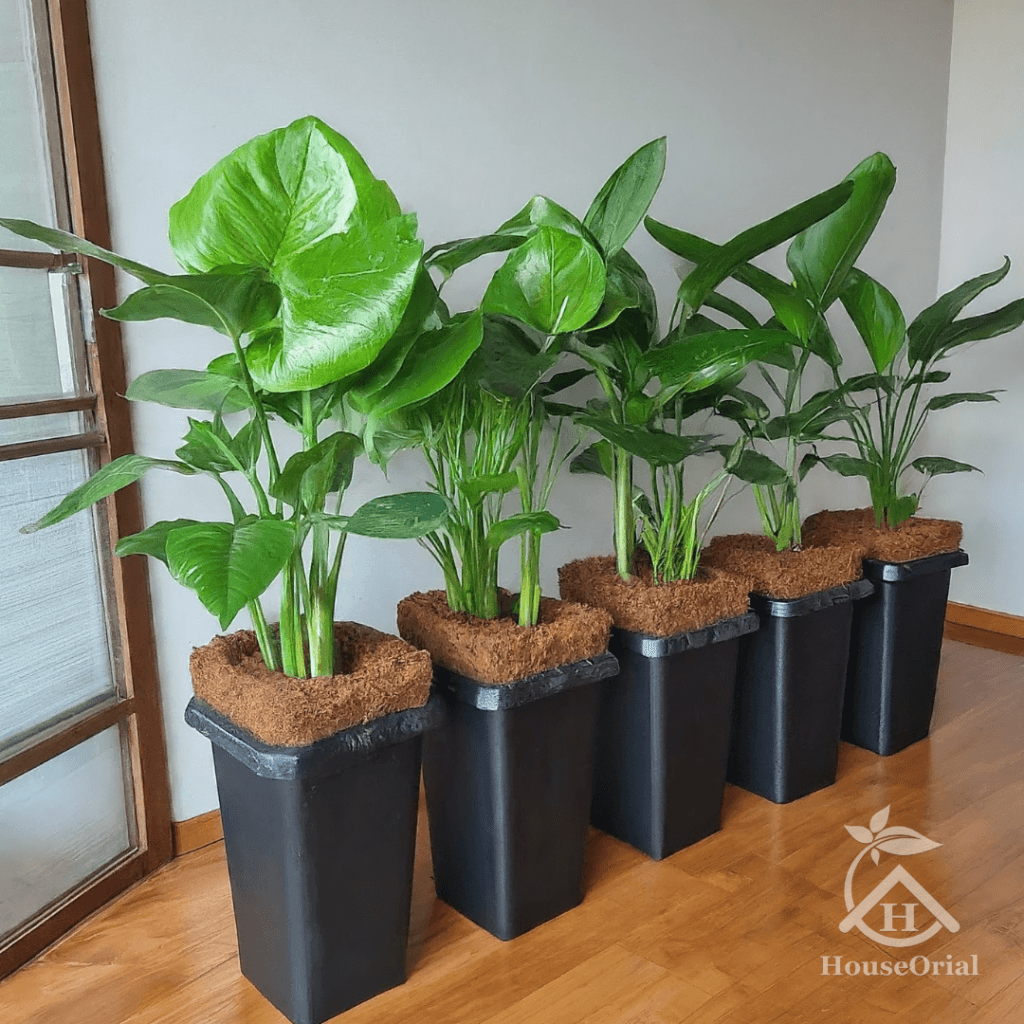
Coconut Coir
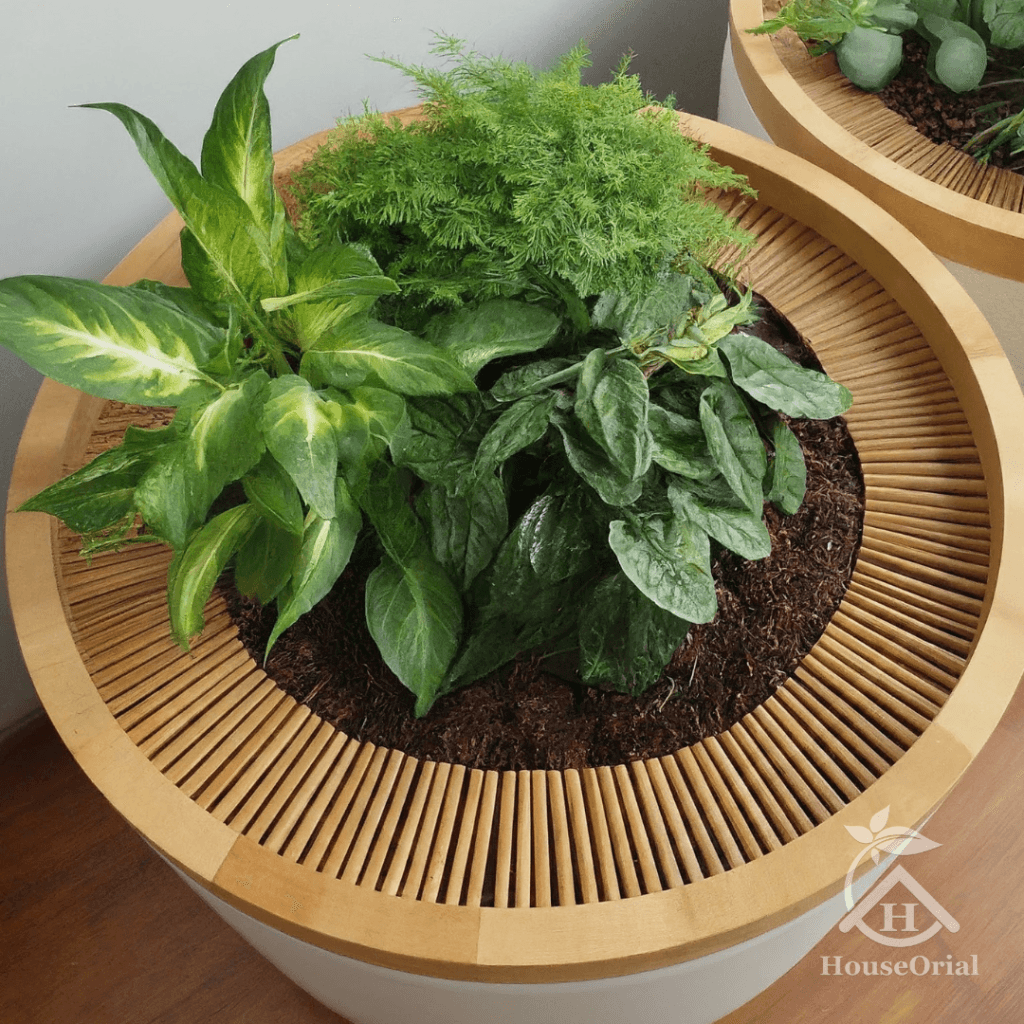
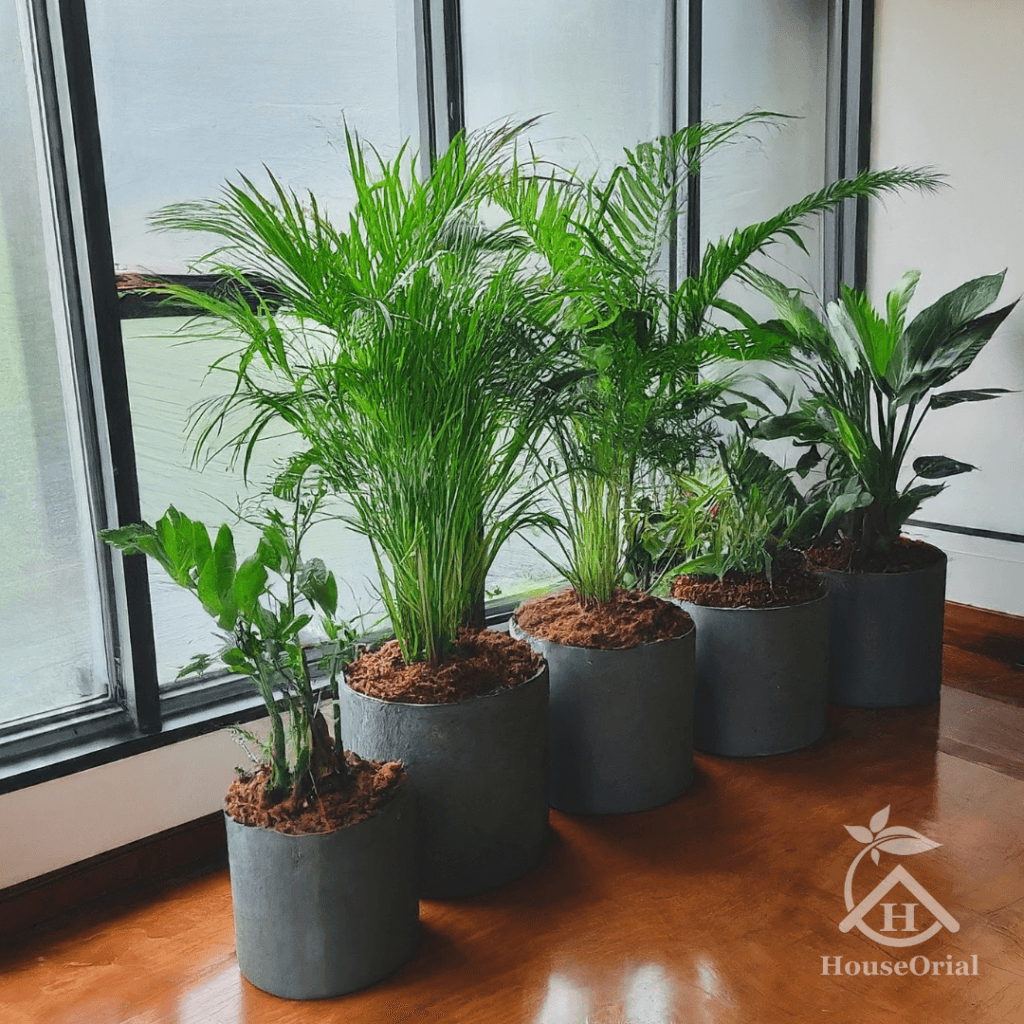
Coconut coir, made from coconut husks, is a sustainable and effective soil cover. It has excellent water retention properties and helps aerate the soil, promoting healthy root growth. Additionally, coconut coir is lightweight and easy to work with.
Inorganic Soil Covers
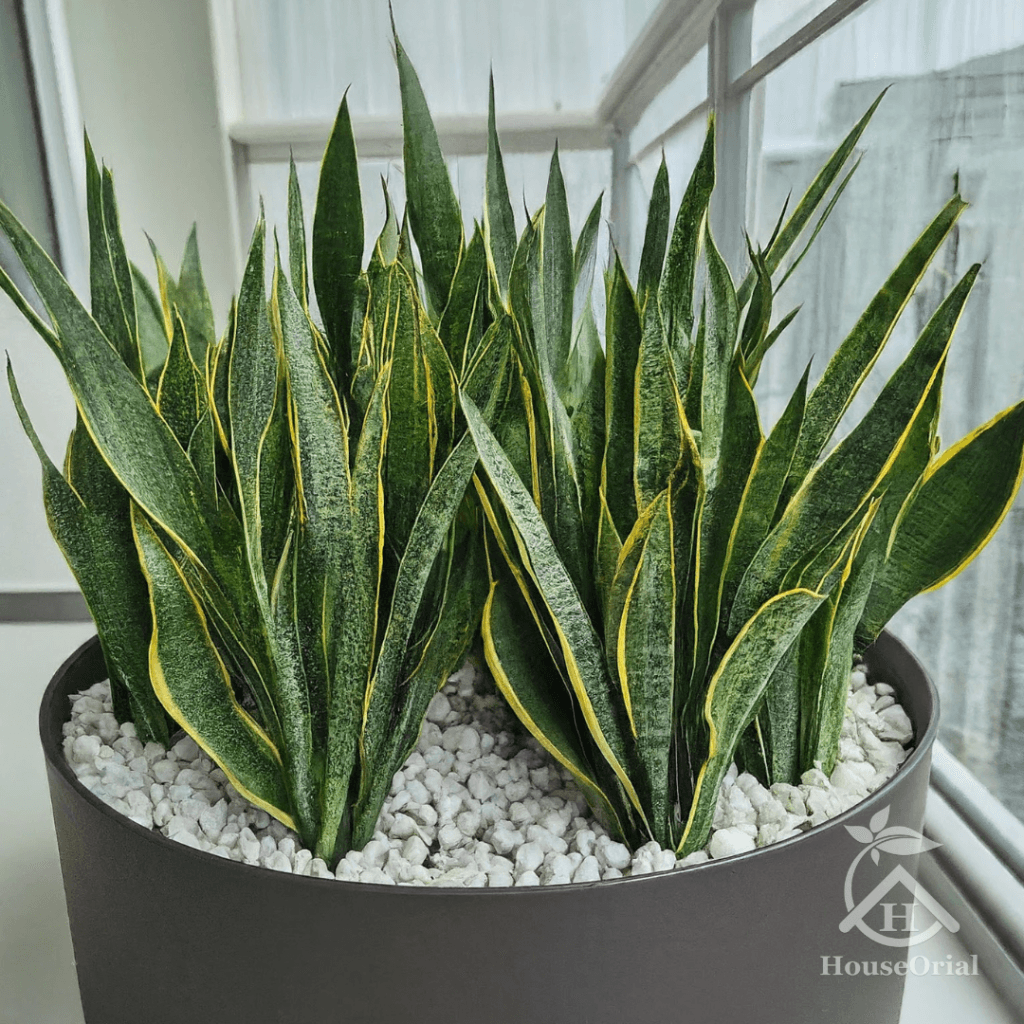
Pebbles and Gravel
Pebbles and gravel are commonly used as decorative soil covers for indoor plants. They come in various colors and sizes, allowing for customization to match your decor. Besides their aesthetic appeal, pebbles and gravel help prevent soil erosion and improve drainage.
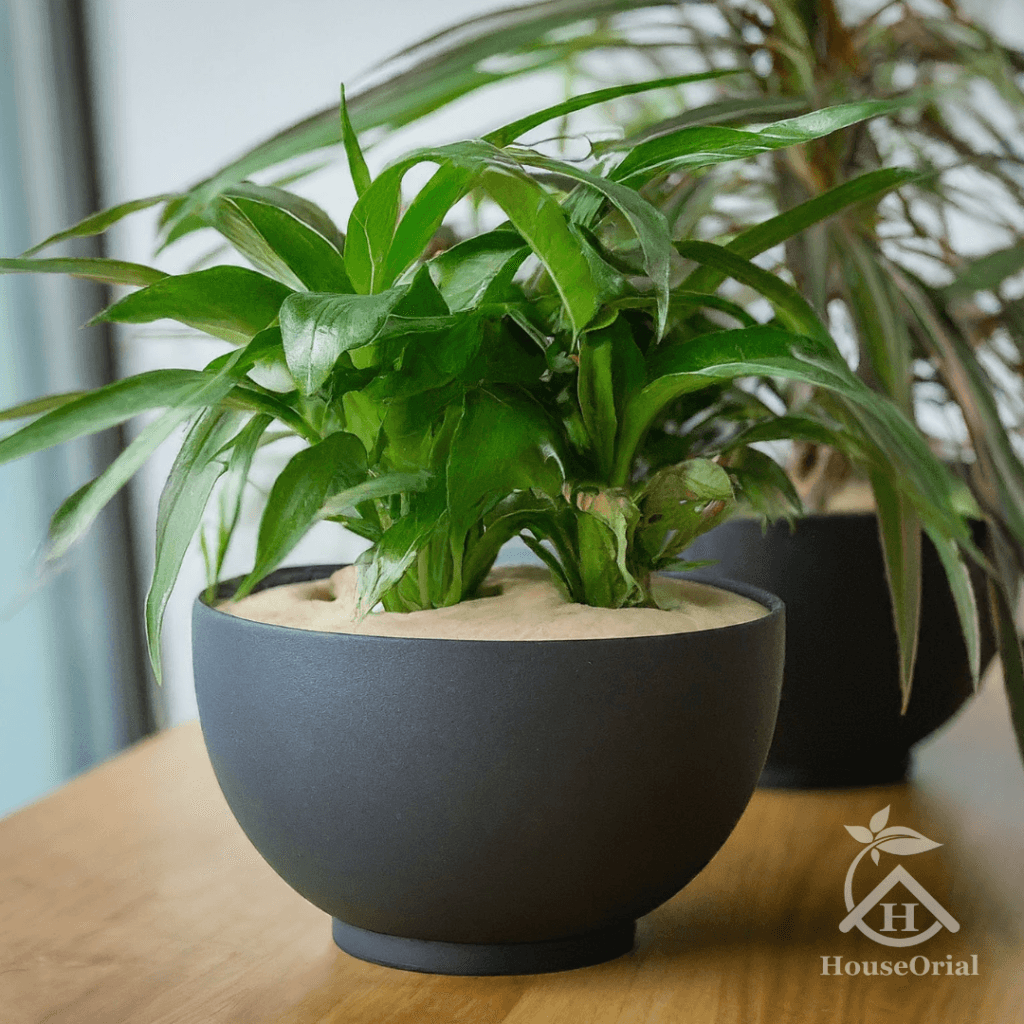
Sand
Sand can be used as a soil cover for certain indoor plants, particularly succulents and cacti, which require well-drained soil. Sand aids in drainage and prevents soil from becoming waterlogged, reducing the risk of root rot.
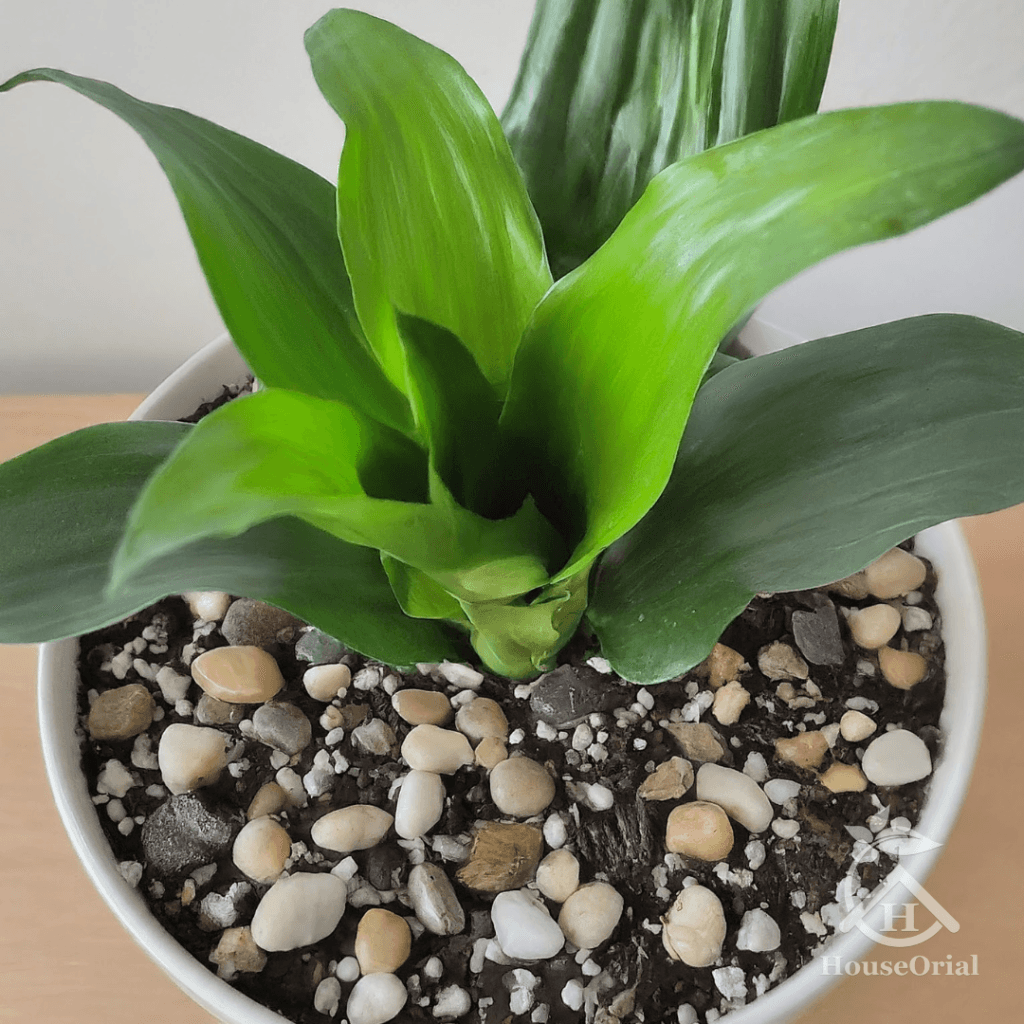
Decorative Stones
Decorative stones, such as polished river rocks or glass beads, add a touch of elegance to indoor plant arrangements. They serve both functional and decorative purposes, helping to retain soil moisture and enhance the overall appearance of the plant pots.
Choosing the Right Soil Cover
Selecting the appropriate soil cover for your indoor plants depends on several factors, including the type of plant, the environmental conditions, and your aesthetic preferences. Here are some guidelines to help you make the right choice:
Consider the Plant’s Needs
Different plants have varying requirements for moisture, temperature, and drainage. For example, succulents and cacti thrive in well-drained soil, making sand or gravel ideal soil covers. On the other hand, tropical plants that require high humidity would benefit more from organic covers like coconut coir or bark mulch, which help retain moisture.
Evaluate Aesthetic Preferences
Soil cover can significantly enhance the visual appeal of your indoor plants. Consider the overall decor of your space and choose a soil cover that complements it. Decorative pebbles, stones, or colored gravel can add a sophisticated touch, while organic covers like bark or compost provide a more natural look.
Assess Maintenance Requirements
Some soil covers require more maintenance than others. For instance, organic covers like compost may need to be replenished periodically as they decompose, while inorganic covers like pebbles or gravel are low-maintenance and long-lasting. Consider how much time and effort you are willing to invest in maintaining your soil cover.
Environmental Impact
Sustainability is an important consideration when choosing a soil cover. Opt for eco-friendly options like coconut coir or compost, which are renewable and biodegradable. Avoid soil covers that contribute to environmental degradation, such as non-recyclable plastic or chemically treated materials.
How to Apply Soil Cover
Proper application of soil cover is essential to maximize its benefits. Here’s a step-by-step guide on how to apply soil cover to your indoor plants:
Step 1: Prepare the Soil
Before applying the soil cover, ensure that the soil is properly prepared. Remove any weeds, debris, or old mulch from the soil surface. Loosen the soil with a fork or trowel to improve aeration and water infiltration.
Step 2: Water the Soil
Water the soil thoroughly before applying the soil cover. This ensures that the soil is adequately moist and helps the soil cover adhere better. Allow the soil to drain and settle for a few minutes before proceeding to the next step.
Step 3: Apply the Soil Cover
Evenly distribute the soil cover over the soil surface, ensuring a uniform layer. The thickness of the soil cover depends on the type of material used. For organic covers like bark mulch or compost, a layer of 2-3 inches is recommended. For inorganic covers like pebbles or gravel, a thinner layer of 1-2 inches is sufficient.
Step 4: Avoid Overcrowding the Stem
Ensure that the soil cover is not piled up against the plant stem or base. This can cause moisture buildup and lead to rot. Leave a small gap around the stem to allow for proper air circulation.
Step 5: Monitor and Maintain
Regularly check the soil cover for any signs of compaction, erosion, or mold growth. Replenish organic covers as needed and clean inorganic covers periodically to maintain their appearance and functionality.
Common Mistakes to Avoid
Using soil cover for indoor plants can significantly benefit their health and appearance, but there are common mistakes that gardeners should avoid:
Over-Mulching
Applying too thick a layer of soil cover can suffocate the roots and hinder water and air penetration. Stick to the recommended thickness for the type of soil cover you are using.
Choosing the Wrong Cover
Selecting a soil cover that is not suited to your plant’s needs can do more harm than good. For example, using a moisture-retentive cover like coconut coir for a succulent can lead to root rot. Always consider the specific requirements of your plants.
Ignoring Soil Health
While soil cover can improve moisture retention and reduce compaction, it is not a substitute for good soil health. Ensure that the underlying soil is rich in nutrients and has good drainage properties to support healthy plant growth.
Neglecting Maintenance
Soil cover requires regular maintenance to remain effective. Neglecting to replenish organic covers or clean inorganic covers can reduce their benefits and negatively impact plant health. Establish a routine to monitor and maintain your soil cover.
Advanced Soil Cover Techniques
For those looking to take their indoor gardening to the next level, there are advanced soil cover techniques that can further enhance plant health and growth:
Layering
Layering involves using multiple types of soil covers to create a more effective and aesthetically pleasing result. For example, you can use a base layer of compost for nutrient enrichment, topped with a layer of decorative pebbles for visual appeal and additional moisture retention.
Living Mulch
Living mulch refers to using small, low-growing plants as a soil cover. This technique not only retains moisture and prevents erosion but also adds a dynamic and natural look to your indoor garden. Suitable plants for living mulch include moss, creeping thyme, and certain types of clover.
Seasonal Changes
Adjusting your soil cover according to the seasons can optimize plant health. For example, during the dry winter months, you might use a moisture-retentive cover like coconut coir. In contrast, during the humid summer months, a well-draining cover like sand or gravel might be more appropriate.
Soil Cover Combinations
Experimenting with different combinations of soil covers can yield interesting results. For instance, mixing sand with decorative stones can provide both good drainage and an attractive appearance, while combining bark mulch with compost can enhance moisture retention and soil fertility.
Conclusion
Soil cover for indoor plants is an essential component of indoor gardening that can significantly impact plant health and growth. By understanding the various types of soil covers, their benefits, and how to apply them correctly, you can create an optimal growing environment for your indoor plants. Whether you prefer organic options like bark mulch and compost or inorganic choices like pebbles and sand, selecting the right soil cover will help you achieve a thriving indoor garden. Remember to consider your plants’ specific needs, aesthetic preferences, and maintenance requirements to make the best choice. With proper care.