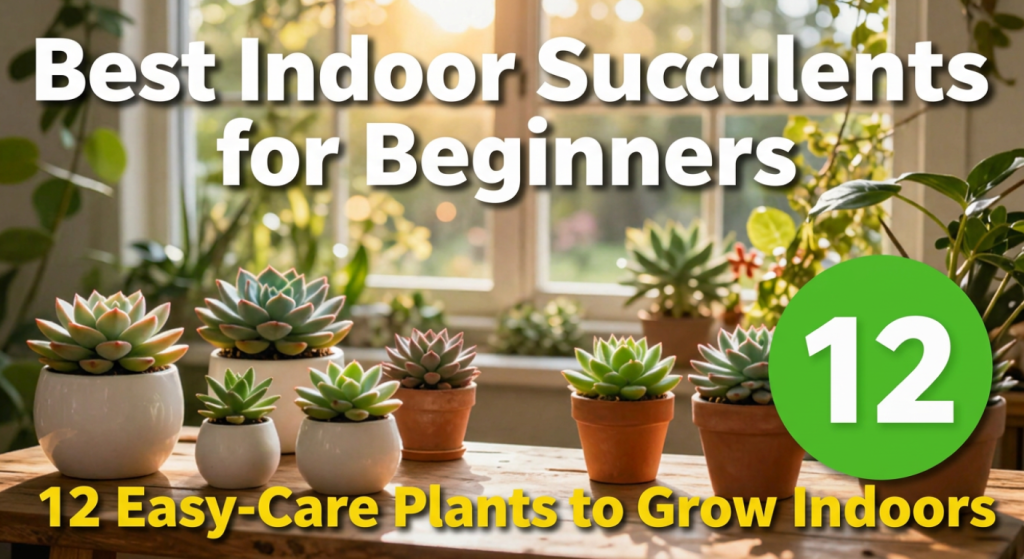

If you have killed a plant or two (or ten) and you are starting to think you just were not born with a green thumb, succulents might change your mind. These plants are built for survival. They store water in their leaves. They tolerate dry spells. They generally forgive the kind of neglect that would finish off a fern in a week.
This guide walks through the best indoor succulents for beginners. It explains why each one earns its spot on the list. It teaches you how to care for them without overthinking it. You will also find a quick-reference comparison table. It covers common mistakes to avoid. It answers the questions new succulent owners ask most.
What Are the Best Indoor Succulents for Beginners?
The best indoor succulents for beginners are Aloe Vera, Haworthia, Echeveria, Jade Plant, Snake Plant, and Sedum. These plants tolerate inconsistent watering, adapt to average indoor light, and grow slowly enough that small care mistakes rarely cause lasting damage.
What Makes a Succulent Beginner-Friendly?
Not all succulents are equally forgiving. Some beginner-friendly varieties bounce back from neglect, while fussier types sulk if you look at them wrong. Here’s what separates an easy succulent from a high-maintenance one.
Low maintenance. Beginner-friendly succulents don’t need daily attention, misting routines, or precise humidity control. A weekly glance is usually enough.
Slow growth. Slow-growing succulents don’t outgrow their pots quickly or demand frequent repotting, which means fewer opportunities to damage roots accidentally.
Drought tolerance. These plants store water in thick leaves and stems, so missing a watering day (or two) won’t stress them out the way it would a tropical houseplant.
Easy indoor adaptation. The best beginner succulents adapt well to typical indoor light and average room temperatures, rather than demanding a greenhouse setup.
Forgiveness of mistakes. Beginner succulents show clear warning signs, like wrinkled or mushy leaves, before real damage occurs. That gives you a chance to correct course.
12 Best Indoor Succulents for Beginners
Each of these plants made the list because it’s widely available, easy to find at most garden centers, and genuinely low-maintenance. Here’s what you need to know about each one.
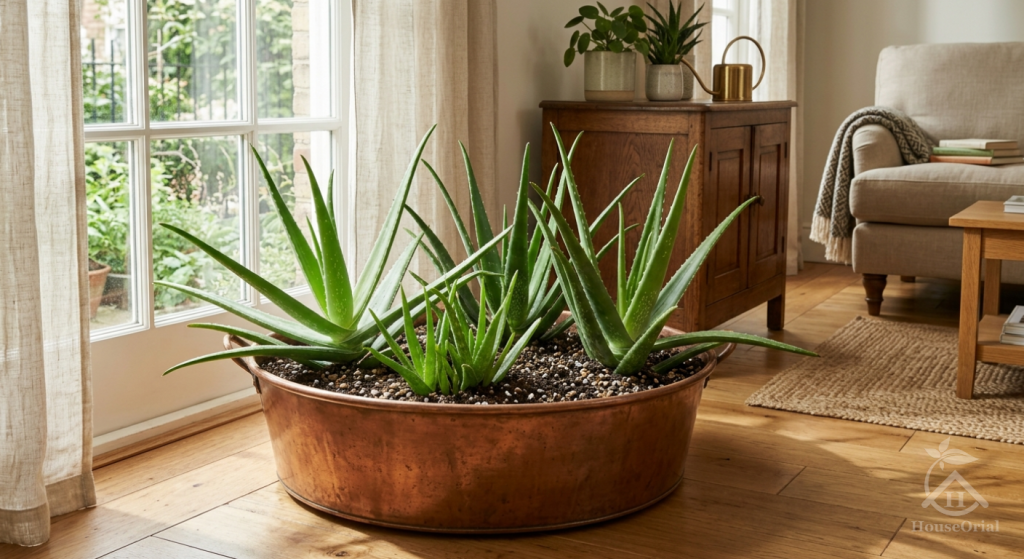
1. Aloe Vera
Aloe vera is one of the most recognizable succulents, known for its spiky, gel-filled leaves and long list of practical uses. It’s a classic starter plant because it tells you exactly what it needs through its appearance, and it thrives on neglect, rarely suffering from underwatering.
Give it bright, indirect light, with a few hours of direct morning sun being just fine. Water deeply, then let the soil dry out completely before watering again. It grows as an upright rosette, sending out offsets (“pups”) at the base as it matures.
This is one of the easiest succulents on the list. If the leaves start to curl or thin out, it’s asking for water; fat, plump leaves mean it’s happy.
2. Haworthia
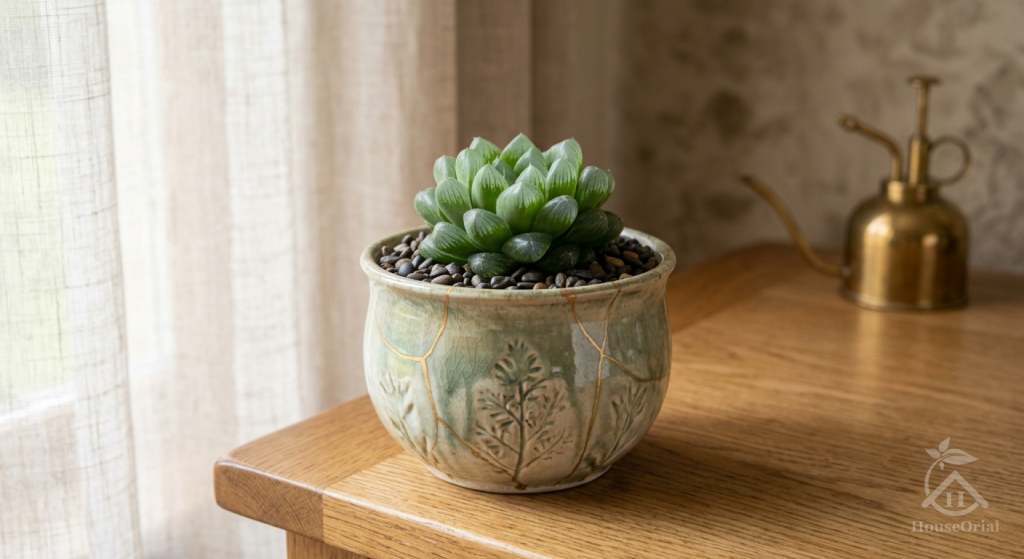
Haworthia looks like a miniature aloe, with thick, pointed leaves often striped or bumpy in texture. It’s compact, which makes it ideal for desks and small spaces, and it tolerates lower light better than most succulents while growing slowly.
Bright, indirect light suits it best; avoid harsh direct sun, which can scorch the leaves. Let the soil dry out completely between waterings. It stays as a compact rosette and rarely outgrows a small pot.
Haworthia is easy to care for overall. Just keep it away from south-facing windows in summer, since too much direct sun can turn the leaves reddish or brown.
3. Echeveria
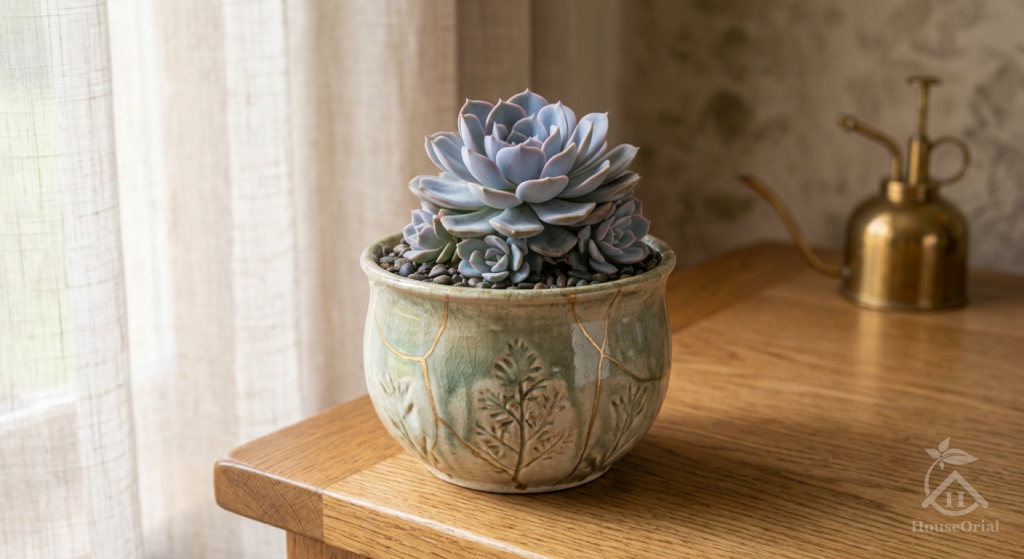
Echeveria is the succulent you picture when someone says “succulent.” Its symmetrical rosettes come in shades of blue-green, pink, and purple, making it a favorite for windowsills, and it has a clear watering rhythm along with obvious stress signals that make it easy to read.
It needs bright light, ideally several hours of direct sun, to keep its tight rosette shape. Water thoroughly, then wait until the soil is bone-dry before watering again. It stays fairly compact indoors, holding its rosette form as it grows.
This one falls into the easy-to-moderate range. If the rosette starts to stretch out and look leggy, it needs more light, not more water.
4. Jade Plant
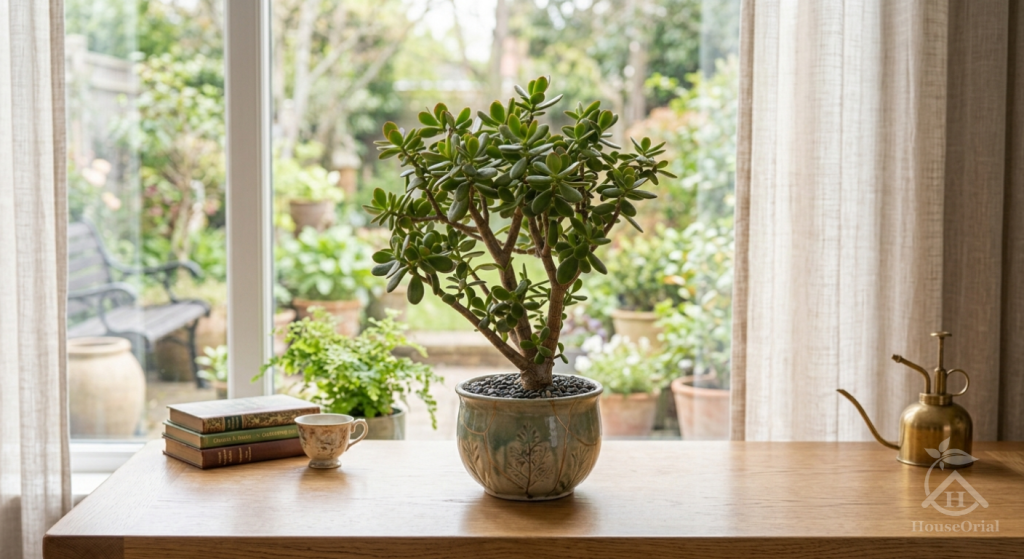
Jade plant has thick, glossy, coin-shaped leaves on woody stems, giving it a tree-like appearance as it matures. It’s sometimes called the “money plant” and is a common gift for new homeowners, prized for being tough, long-lived, and adaptable to a range of indoor conditions.
Give it bright, indirect light, with some direct sun helping bring out the best leaf color. Let the top two inches of soil dry out before watering again. It grows slowly but can eventually become a small, shrub-like plant with a sturdy, woody trunk.
Jade plant is an easy pick for beginners. Rotate the pot occasionally so it grows evenly instead of leaning toward the light source.
5. Zebra Haworthia
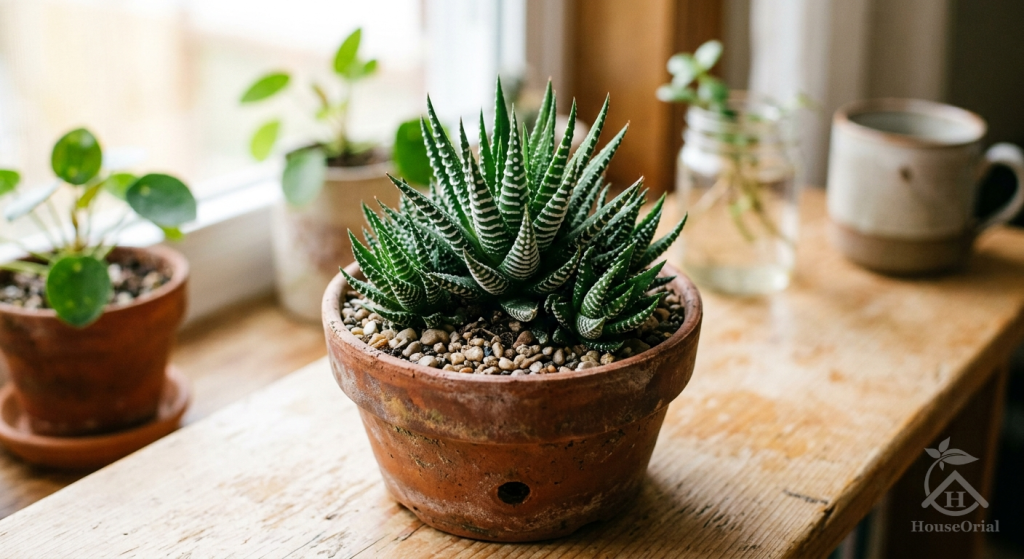
Zebra Haworthia is a striking variety with white, raised stripes across dark green leaves, resembling tiny aloe-like zebras. It’s smaller and slower-growing than standard Haworthia, and it’s compact, patient with irregular watering, and unbothered by average indoor light.
Bright, indirect light works best; direct sun can bleach out those distinctive stripes. Water only when the soil is completely dry. It stays as a small rosette, making it ideal for tight spaces like shelves or desks.
This is another easy option for beginners. Use a shallow pot, since Zebra Haworthia has a compact root system and doesn’t need much depth to thrive.
6. Gasteria
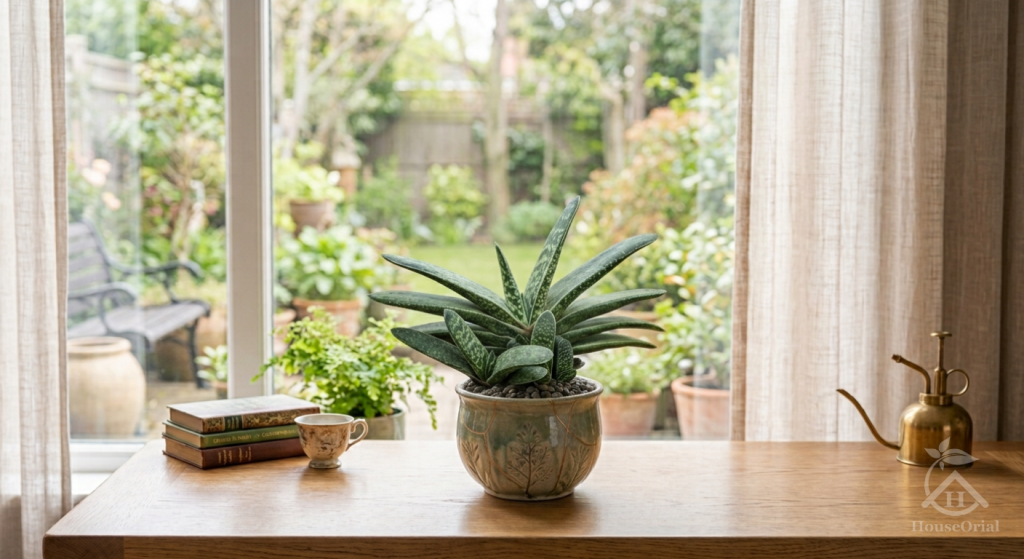
Gasteria has thick, tongue-shaped leaves that often grow in a fan pattern rather than a tight rosette. It’s closely related to Haworthia and Aloe, sharing their easygoing nature, and it tolerates low light better than most succulents, making it a good pick for offices or interior rooms.
Bright, indirect light is ideal, though it tolerates partial shade without much complaint. Water sparingly and let the soil dry out fully between waterings. It grows slowly and stays small and manageable indoors.
Gasteria is easy to care for overall. Its thick leaves store plenty of water, so when in doubt, skip the watering can.
7. Snake Plant
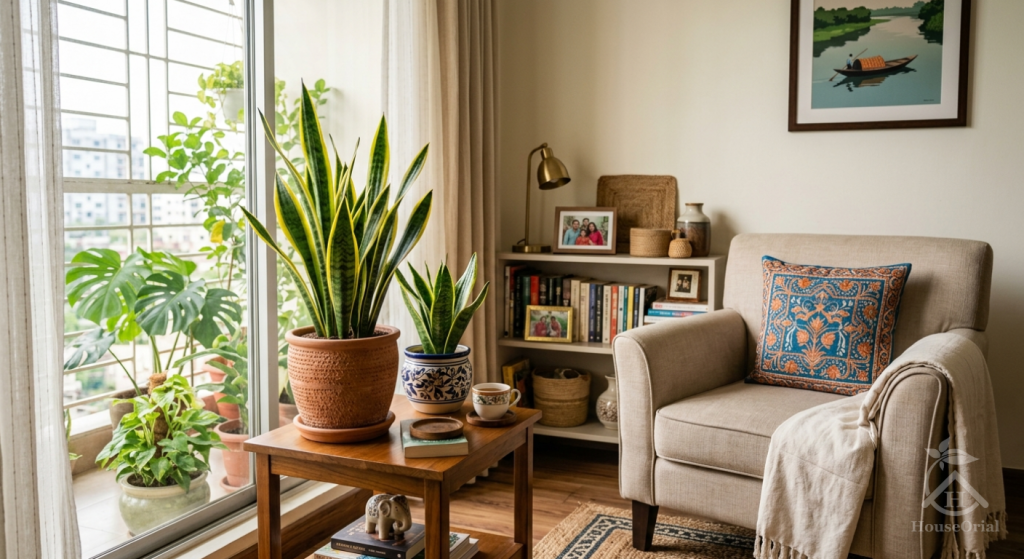
Snake plant (Sansevieria) isn’t botanically a true succulent, but its water-storing leaves and drought tolerance earn it a spot on every beginner succulent list. Its tall, upright leaves add structure to any room, and it survives low light, irregular watering, and general neglect better than almost any houseplant.
It adapts to low, medium, or bright indirect light without much fuss. Water it every two to three weeks, letting the soil dry out completely in between. It grows upright, sword-like leaves that spread slowly over time via underground rhizomes.
The snake plant is about as easy as houseplants get. Overwatering is really the only serious threat, so when you’re unsure, it’s always safer to wait a few more days.
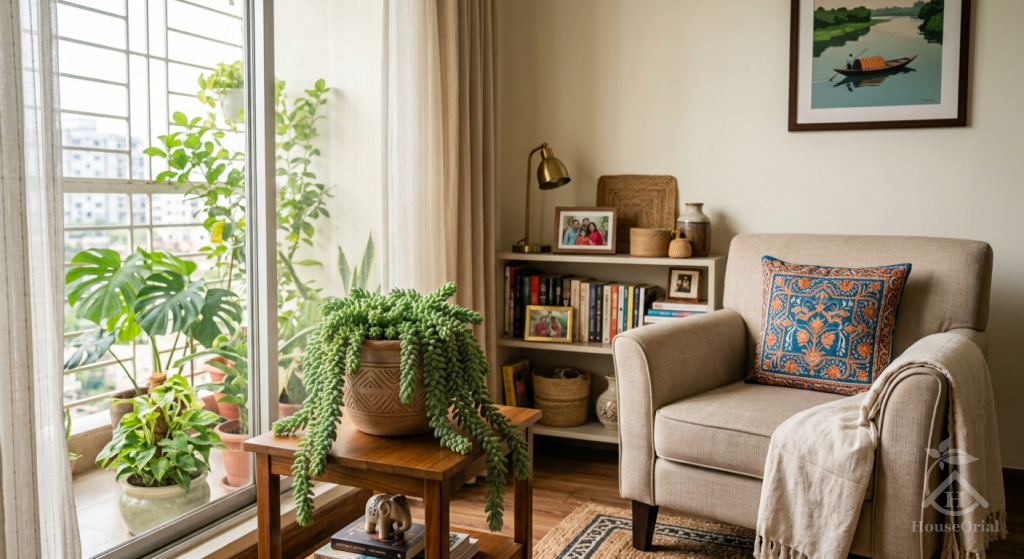
8. Burro’s Tail
Burro’s Tail (also called Donkey’s Tail) has trailing stems covered in plump, teardrop-shaped leaves, making it a striking choice for hanging baskets or high shelves. It’s drought-tolerant and requires minimal upkeep once established.
Give it bright, indirect light with some direct morning sun. Let the soil dry out fully between waterings, and water lightly to avoid stem rot. Its trailing stems can grow several feet long over time, cascading nicely from a hanging pot.
This one sits at a moderate difficulty level, mainly because the leaves are delicate and drop easily if bumped. Handle it gently and avoid moving the pot often, since the leaves detach at the slightest touch.
9. Christmas Cactus
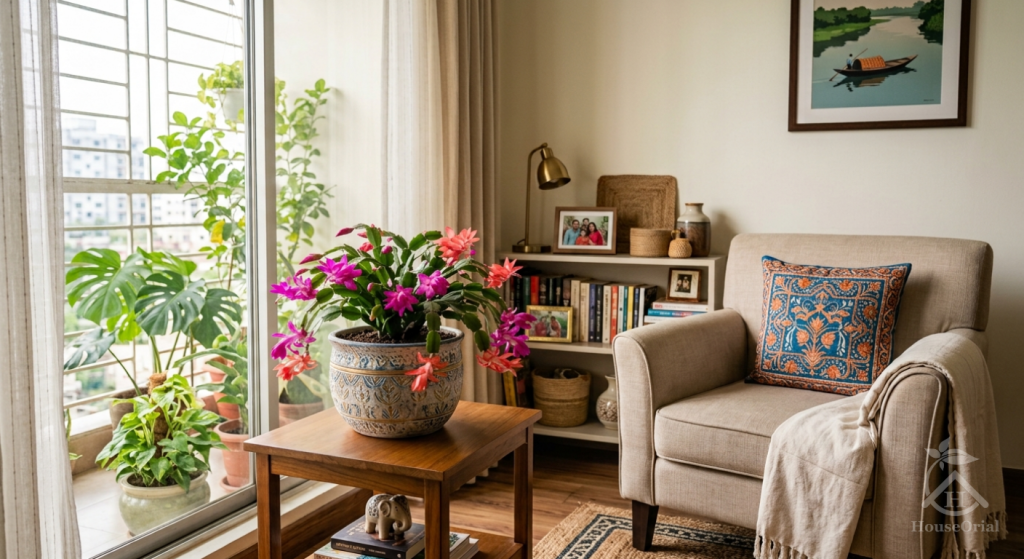
Christmas Cactus is a segmented, trailing succulent that blooms with bright pink, red, or white flowers, typically around the winter holidays. Unlike desert succulents, it prefers slightly more humidity, which makes it a great pick for beginners who tend to overwater — it’s more forgiving of consistent moisture than most other succulents on this list.
Give it bright, indirect light and keep it away from direct afternoon sun, which can scorch its segmented stems. During the growing season, keep the soil lightly moist, then ease off watering as bloom season approaches. It grows in trailing, segmented stems that you can either let hang naturally or train onto a small support.
This one sits at an easy-to-moderate difficulty level — simple to keep alive, but it takes a bit more attention to get it to rebloom reliably. If you want to encourage flowering, give it slightly cooler nighttime temperatures and reduced light in early fall; that shift is often what triggers the buds.
10. Panda Plant
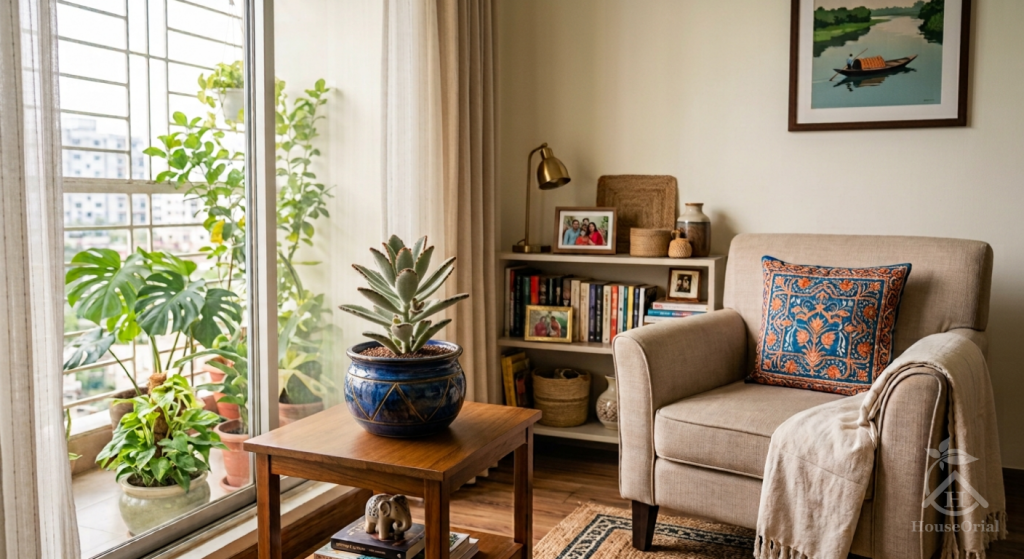
Panda Plant (Kalanchoe tomentosa) has soft, fuzzy, silver-green leaves with brown-tipped edges, giving it a plush, tactile appearance that’s popular with kids and adults alike. Its thick, fuzzy leaves store water efficiently and resist damage from occasional dry spells.
Give it bright, indirect light along with a few hours of direct sun. Water thoroughly, then let the soil dry out completely before the next watering. It grows slowly, staying upright and shrub-like as it matures.
Panda Plant is an easy option for beginners. Just avoid getting the fuzzy leaves wet when watering, since trapped moisture can lead to spotting.
11. Hens and Chicks
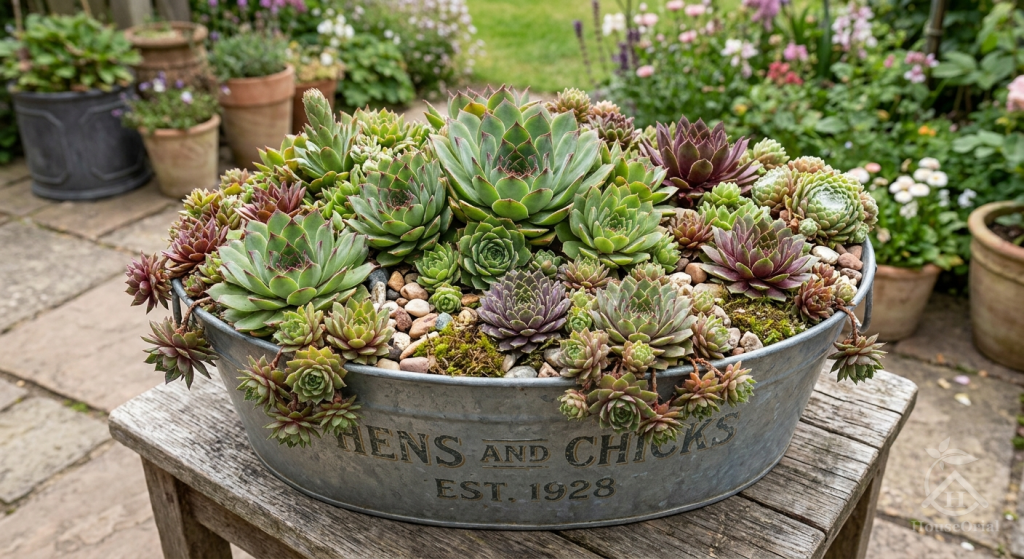
Hens and Chicks (Sempervivum) forms a central rosette (“hen”) surrounded by smaller offset rosettes (“chicks”), creating a naturally spreading, clustered look. It’s extremely cold-hardy and drought-tolerant, adapting well to both indoor pots and outdoor beds.
It requires bright light, including several hours of direct sunlight, to grow well. Water sparingly, allowing the soil to dry out completely between waterings. It spreads via offsets and gradually forms a cluster of rosettes.
This is an easy plant for beginners. Give it a slightly larger pot than you think it needs, since the “chicks” will fill in the space quickly.
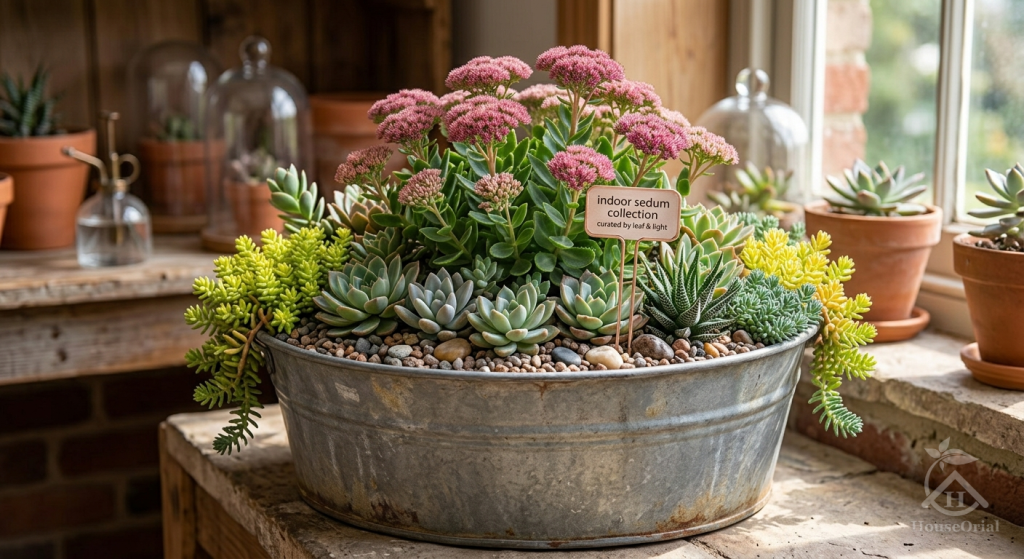
12. Sedum
Sedum (commonly called stonecrop) includes wide trailing and clumping varieties with small, plump leaves. It is a versatile, low-growing succulent that is well-suited for shallow pots and mixed arrangements. This plant is adaptable, propagates quickly, and tolerates a wide range of indoor conditions.
Bright, indirect light works well, though some varieties tolerate partial shade. Let the soil dry out between waterings and avoid soggy conditions. Depending on the variety, it grows either trailing or as a clump.
Sedum is an easy plant to keep around. To easily create new seedlings, cut healthy stems and dry them for a day or two before replanting.
Comparison Table: Best Indoor Succulents for Beginners
| Plant Name | Light Needs | Water Needs | Difficulty Level | Pet Safety |
|---|---|---|---|---|
| Aloe Vera | Bright, indirect | Low | Easy | Toxic to pets |
| Haworthia | Bright, indirect | Low | Easy | Pet-safe |
| Echeveria | Bright, direct/indirect | Low | Easy–Moderate | Pet-safe |
| Jade Plant | Bright, indirect | Low | Easy | Toxic to pets |
| Zebra Haworthia | Bright, indirect | Low | Easy | Pet-safe |
| Gasteria | Bright, indirect/low | Low | Easy | Pet-safe |
| Snake Plant | Low to bright | Very low | Very Easy | Toxic to pets |
| Burro’s Tail | Bright, indirect | Low | Moderate | Pet-safe |
| Christmas Cactus | Bright, indirect | Moderate | Easy–Moderate | Pet-safe |
| Panda Plant | Bright, indirect | Low | Easy | Toxic to pets |
| Hens and Chicks | Bright, direct | Low | Easy | Pet-safe |
| Sedum | Bright, indirect | Low | Easy | Mildly toxic (varies by variety) |
If pets are part of your household, double-check individual plant sensitivities with your veterinarian before bringing a new succulent home, since toxicity can vary by variety and by animal.
Quick Care Tips for Beginner Succulents
Getting the basics right matters more than fussing over any single plant. These fundamentals apply across nearly every beginner-friendly succulent.
Light: Most succulents need at least four to six hours of bright light daily. South- or east-facing windows work best indoors.
Watering: Follow the “soak and dry” method: water thoroughly, then let the soil dry out completely before watering again. Checking the soil beats sticking to a fixed schedule.
Soil: Use a well-draining succulent or cactus mix, not regular potting soil, which retains too much moisture.
Drainage: Always choose pots with drainage holes. Without them, excess water pools around the roots and leads to rot.
Pot selection: Terracotta pots are ideal because they’re porous and help excess moisture evaporate faster than plastic or ceramic.
Temperature: Most indoor succulents prefer average room temperatures between 60–80°F and don’t tolerate frost.
Humidity: Standard indoor humidity is fine for most varieties; avoid placing succulents in steamy bathrooms or near humidifiers.
Fertilizing: Feed lightly with a diluted, balanced fertilizer once or twice during the growing season (spring and summer). Skip fertilizing in fall and winter.
Common Succulent Mistakes Beginners Should Avoid
Even easy-care succulents can struggle if a few key habits go wrong. Here’s what tends to trip up new plant owners, and how to fix it.
Overwatering. This is the number one cause of succulent death. Solution: always check that the soil is fully dry before watering again, and resist the urge to water “just in case.”
Wrong soil. Regular potting soil holds too much water and suffocates succulent roots. Solution: switch to a fast-draining cactus or succulent mix.
No drainage holes. Decorative pots without holes trap water at the bottom, leading to root rot. Solution: use a nursery pot with drainage inside a decorative outer pot, or drill holes if possible.
Too little sunlight. Succulents kept in dim corners often stretch out and lose their compact shape, a condition called etiolation. Solution: move the plant closer to a bright window or supplement with a grow light.
Watering on a schedule. Treating succulents like other houseplants and watering them every few days regardless of soil condition leads to overwatering. Solution: always check the soil with your finger before adding water.
Ignoring signs of stress. Wrinkled, yellowing, or mushy leaves are the plant’s way of communicating a problem. Solution: learn to read these signals early. Wrinkled leaves usually mean underwatering; mushy, translucent leaves usually mean overwatering.
Best Indoor Succulents for Beginners: FAQs
What is the easiest indoor succulent for beginners?
Haworthia, Snake Plant, and Aloe Vera are among the easiest indoor succulents for beginners. They tolerate occasional missed waterings, adapt well to typical indoor conditions, and require very little maintenance, making them excellent choices for first-time plant owners.
How often should I water indoor succulents?
There’s no fixed watering schedule for indoor succulents. Water only when the soil has dried out completely, which may be every 1–3 weeks depending on the season, indoor temperature, humidity, and the amount of light your plant receives.
Can succulents survive in low light?
Some succulents, including Haworthia, Gasteria, and Snake Plant, tolerate lower light better than others. However, they still need bright, indirect light or some natural daylight to stay healthy and maintain compact growth over time.
Which succulent is best for apartments?
Snake Plant, Haworthia, Zebra Haworthia, and Gasteria are excellent apartment-friendly succulents because they stay compact, require little maintenance, and grow well in typical indoor lighting conditions.
Do indoor succulents need fertilizer?
Indoor succulents need very little fertilizer. Feeding them once or twice during the active growing season with a balanced, diluted houseplant fertilizer is usually enough to support healthy growth. Avoid fertilizing during winter when most succulents grow slowly.
Can I grow succulents without direct sunlight?
Yes. Many beginner-friendly succulents thrive in bright, indirect light and don’t require direct sunlight all day. However, they still need adequate natural light, so avoid placing them in dark corners for extended periods.
Why are my succulent’s leaves turning yellow?
Yellow leaves are usually a sign of overwatering, poor drainage, or soil that stays wet for too long. Let the potting mix dry completely before watering again, and always use a pot with drainage holes and well-draining succulent soil.
Are indoor succulents good for beginners?
Absolutely. Indoor succulents are some of the best houseplants for beginners because they’re low maintenance, drought tolerant, and forgiving of occasional care mistakes. With proper light, well-draining soil, and careful watering, most beginner-friendly succulents can thrive for years.
Which succulents are toxic to pets?
Aloe Vera, Jade Plant, Kalanchoe, Pencil Cactus, and Crown of Thorns are toxic to many cats and dogs and may cause vomiting, diarrhea, or drooling if ingested.
Final Thoughts on Indoor Succulents for Beginners
Choosing the best indoor succulents for beginners doesn’t have to be difficult. Start with one or two easy varieties like snake plants, haworthias, or jade plants before expanding your collection. Once you get a feel for how they grow and respond, adding more varieties will come naturally to you. With a little patience and the right basics in place, these low-maintenance plants can stay fresh on your windowsill for years to come.